6X SEM JUROS
 10% OFF NO PIX
 FRETE GRÁTIS
 COMPRA SEGURA
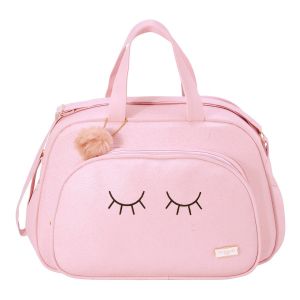
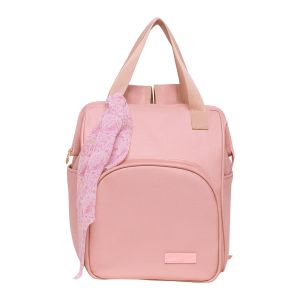
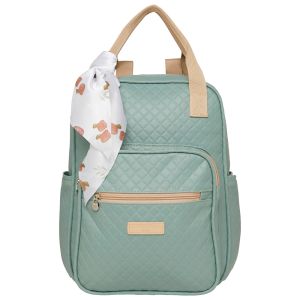
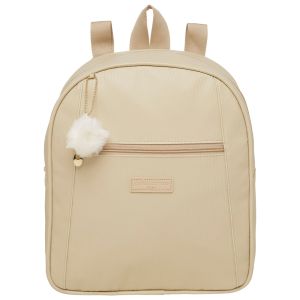







Conforto Baby - Tudo para o seu bebê, do RN aos 12 meses
Marcas que Amamos
MARCA DESTAQUE
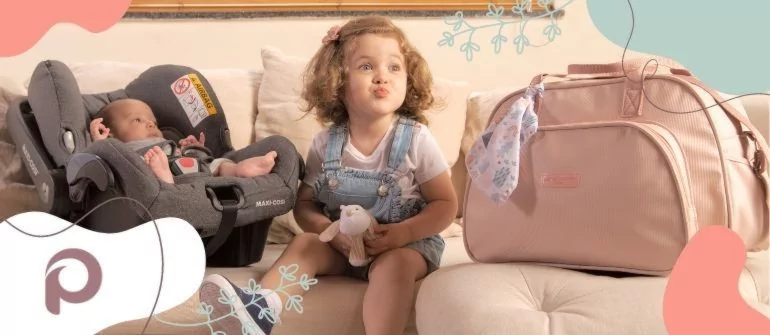
PIRULITANDO BABY
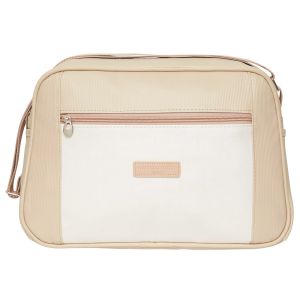
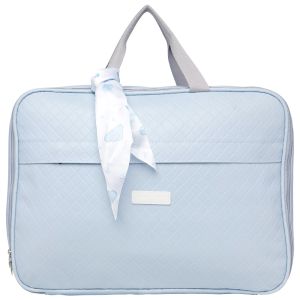
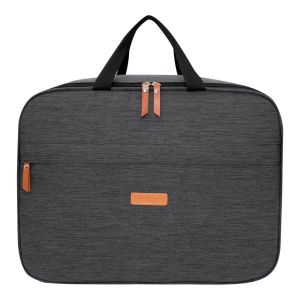
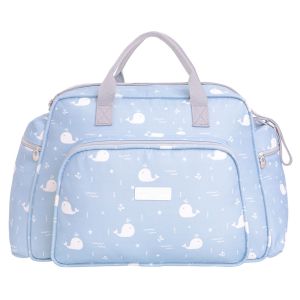
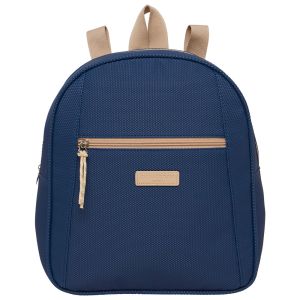
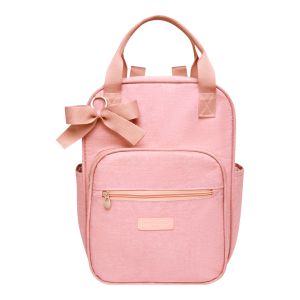
Malas, Bolsas, Mochilas, Frasqueiras, Trocadores Portáteis e Acessórios
ver coleção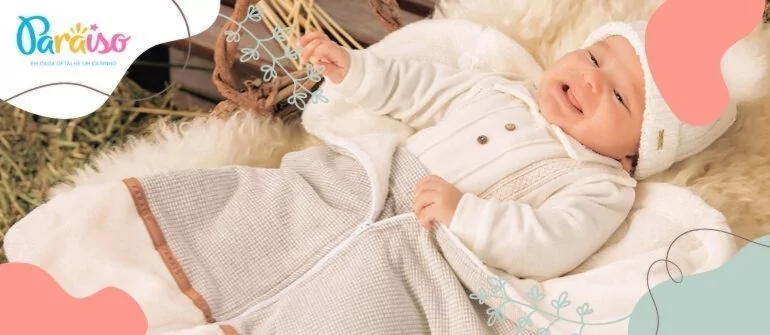
MARCA DESTAQUE
PARAISO MODA BEBÊ
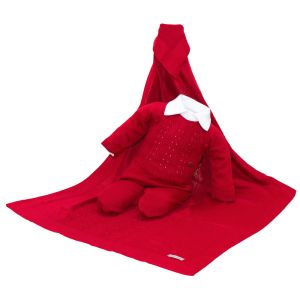
Saídas de Maternidade, Macacões, Conjuntos, Vestidos e Acessórios
ver coleção
MARCA DESTAQUE
PAPI TEXTIL
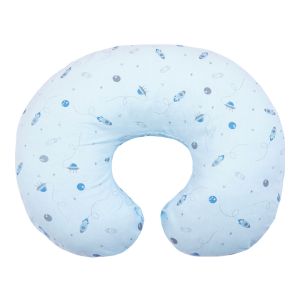
Jogos para Berço, Cueiros, Fraldas, Babetes, Toalhas de Banho, Babadores, Capas para Carrinho, Almofadas Amamentação, Trocadores, etc
ver coleção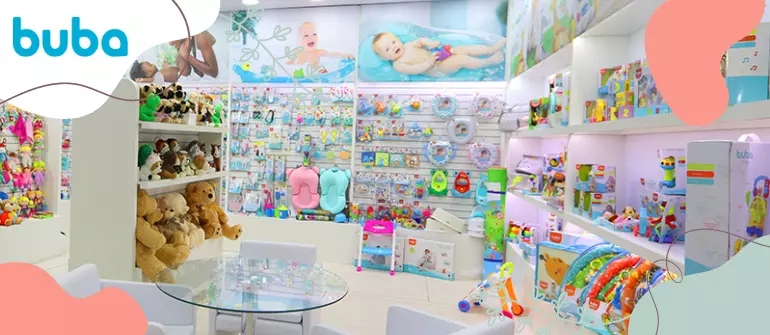
MARCA DESTAQUE
BUBA BABY
Artigos para Alimentação, Banho, Passeio, Cuidados do Bebê e Brinquedos
ver coleçãoKits Bolsas Maternidade
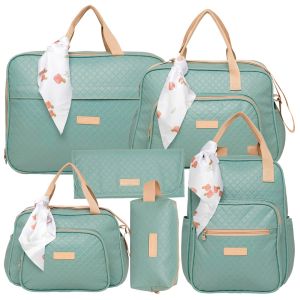 Kit Bolsas Maternidade Pirulitando Completo Semear VerdePreço Especial R$ 1.114,91 Preço Normal R$ 1.173,59Fora de estoque
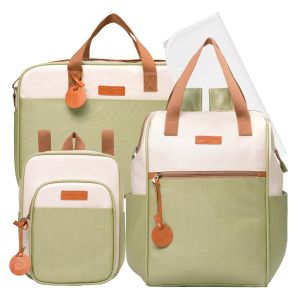 Kit Bolsas Maternidade Pirulitando Completo Petit VerdePreço Especial R$ 805,60 Preço Normal R$ 848,00Fora de estoque
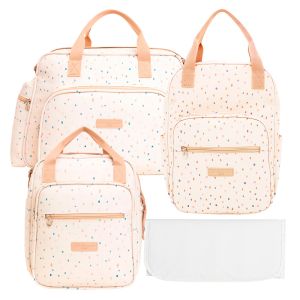 Kit Bolsas Maternidade Pirulitando Completo Confete MarfimPreço Especial R$ 842,17 Preço Normal R$ 886,50
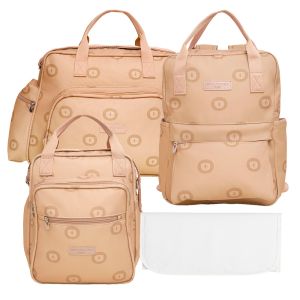 Kit Bolsas Maternidade Pirulitando Completo Leão CarameloPreço Especial R$ 870,82 Preço Normal R$ 916,66Fora de estoque
Bolsas Maternidade
Mochilas Maternidade
Saídas de Maternidade
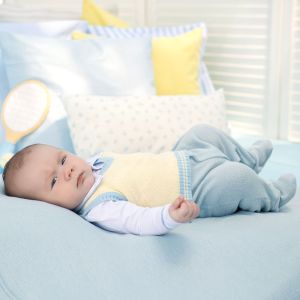 Saída de Maternidade Paraiso Malha Trabalhada e Tricô AzulA partir de R$ 255,01
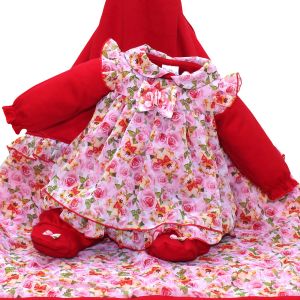 Saída De Maternidade Beth Bebê Vestido Luxo Nádia VermelhoA partir de R$ 172,55 Preço Normal R$ 246,50
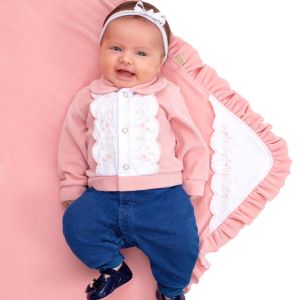 Saída Maternidade Paraiso Plush com Moletom Denim Rosa CháA partir de R$ 159,49 Preço Normal R$ 199,36
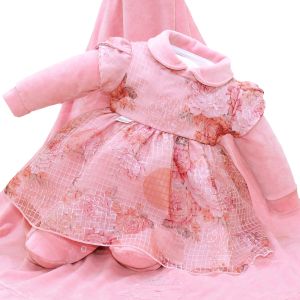 Saída Maternidade Fofinho Luana Plush e Tule Estampado RosaPreço Especial R$ 186,18 Preço Normal R$ 265,98
Macacões
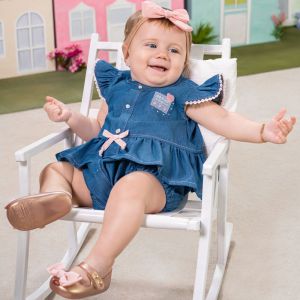
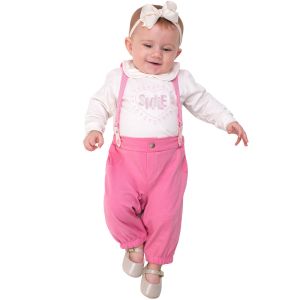 Macacão Longo Paraiso Malha Conforto e Suspensório RosaA partir de R$ 119,80
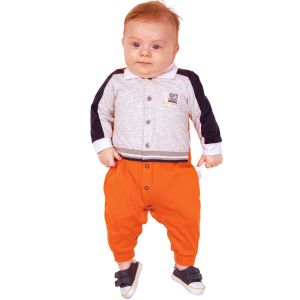 Macacão Longo Paraiso Malha Fio 30 e Malha Conforto LaranjaA partir de R$ 83,48
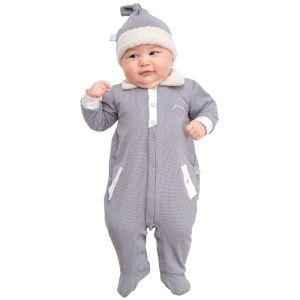 Macacão Longo Paraiso com Touca e Malha Trabalhada ChumboA partir de R$ 85,27 Preço Normal R$ 106,59
 Macacão Longo Paraiso Jardineira com Body Piquet VermelhoA partir de R$ 143,05
Quarto e Enxoval
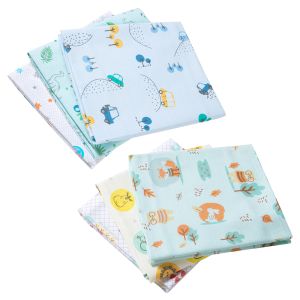 Kit 6 Cueiros Papi Flanelados 80x50cm Estampados MeninoPreço Especial R$ 36,15 Preço Normal R$ 38,05
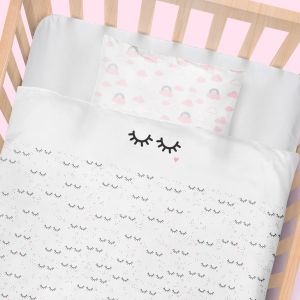 Jogo de Berço Papi 3 Peças Tamanho Americano Cílios RosaPreço Especial R$ 49,66 Preço Normal R$ 70,95
Saúde e Bem Estar
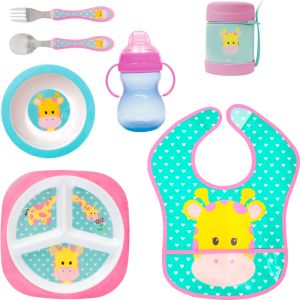 Kit Introdução Alimentar Buba Pote Térmico Girafa DivertidaPreço Especial R$ 272,17 Preço Normal R$ 286,50
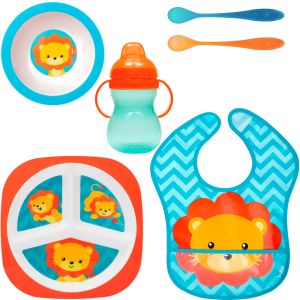 Kit Introdução Alimentar Buba 6 Peças Leão ColoridoPreço Especial R$ 117,37 Preço Normal R$ 123,55
Outras Marcas em Destaque





O que Dizem os Clientes